Real people.
Realblackouts.
From hurricane relief to music festivals, from remote clinics to university campuses — Hopper users share one thing in common: they needed to communicate when the grid couldn't help them.
Heard from the
field.
"After the hurricane knocked out towers for three days, Hopper was the only thing keeping our neighbourhood connected. We organised supply drops, checked on elderly residents — all offline."
"Our security team communicates across a 200-acre venue with perfect reliability. We've retired our walkie-talkie system entirely."
"I work in a rural clinic 90 km from the nearest cell tower. Hopper connects our staff across three buildings. It's become as essential as electricity."
"We piloted Hopper across 12 schools in our district. Teacher-to-teacher and student-to-student communication improved dramatically, and the cost was negligible."
"During wildfire evacuations we use Hopper to keep track of teams in areas where radio is unreliable. It's become standard equipment."
"The $1/month price made it easy to roll out across our entire volunteer network. No budget approval needed — anyone can just subscribe."
Where towers never reached.
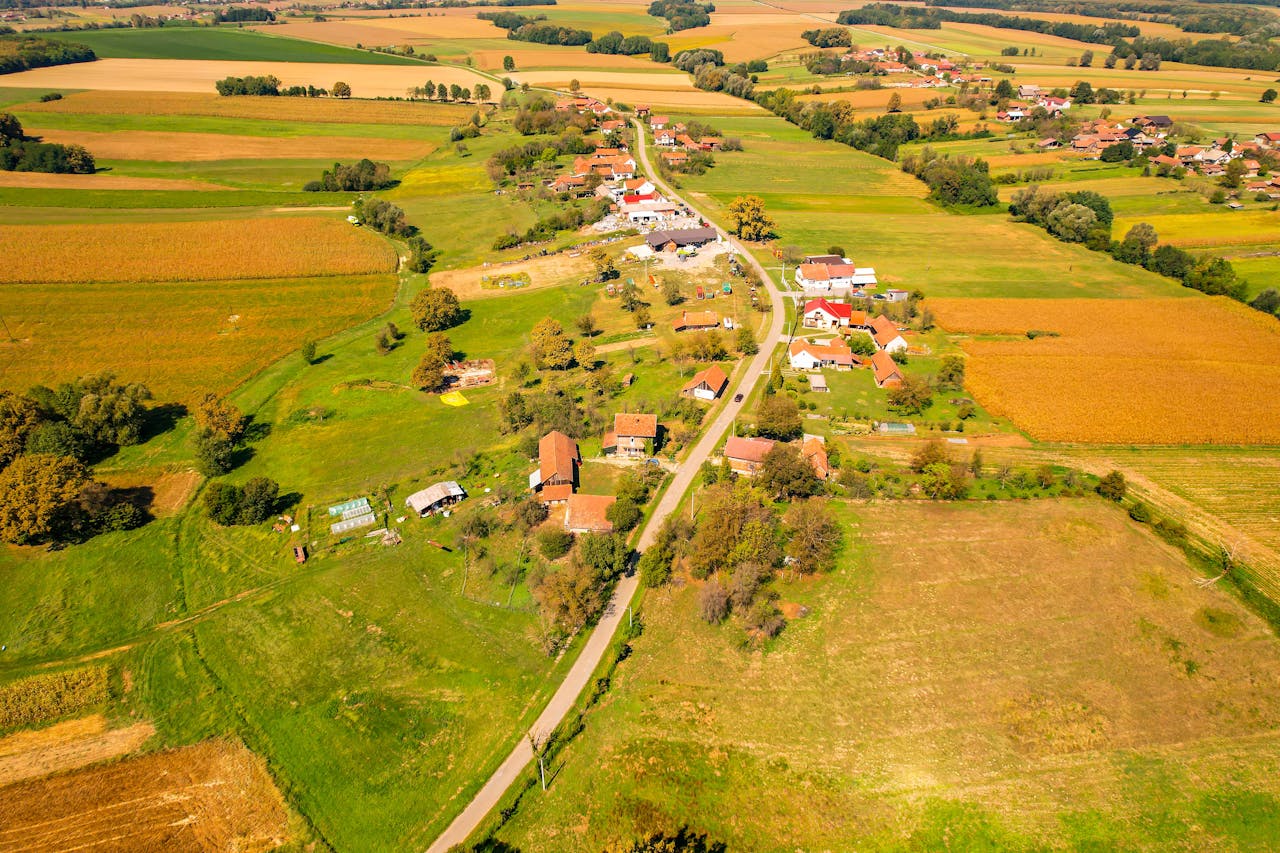
For people in remote regions, Hopper isn't a backup plan — it's the only plan. Villages with no cell coverage use Hopper to coordinate everything from healthcare to agriculture, forming permanent mesh networks across entire communities.
"We haven't had reliable signal in years. Hopper connected our whole village in one afternoon."
Learning without limits.
Schools in low-infrastructure areas use Hopper to build campus-wide mesh networks. Students share files, coordinate study groups, and stay connected during classes — no internet subscription required.
"Our students can collaborate on projects even when the school's internet goes down, which is often."

Coordination that saves lives.
Humanitarian teams, medical missions, and disaster-response units operate in the world's most disconnected places. Hopper keeps teams in sync across remote field sites without relying on satellite uplinks or expensive equipment.
"During the floods, every other comms system failed within hours. Hopper kept our medical teams coordinated for three days straight."

Signal-proof gatherings.
When tens of thousands of people converge, cell towers buckle. Event staff, security teams, and attendees use Hopper to communicate reliably — no matter how congested the airwaves get.
"We ran staff comms for 40,000 attendees across a 3-day festival. Zero dropped messages. The carrier networks were completely saturated."